Building Science for Climate-Resilient Agriculture: Paul Soremi’s Journey
From molecular biology and open-labware training to interdisciplinary research in crop productivity, soil fertility and climate resilience, Paul Abayomi Sobowale Soremi reflects on how continued learning and scientific networks have shaped his development as a researcher, lecturer and mentor.
By JR Biotek Foundation | Alumni Story
For Paul Abayomi Sobowale Soremi, building a career in agricultural science has meant learning to connect different disciplines. As a lecturer and doctoral researcher at the Federal University of Agriculture, Abeokuta (FUNAAB), Nigeria, his work sits at the intersection of crop physiology, agronomy, soil fertility and climate-resilient agriculture. Over several years, his involvement with JR Biotek Foundation has provided opportunities to develop practical molecular biology skills, explore resource-efficient laboratory technologies, connect with scientists from different disciplines and share his research with a wider scientific community.
Looking back, Paul describes that experience as having influenced not only his technical abilities, but the direction of his career.
“The JR Biotek Foundation has profoundly influenced my research capacity, professional growth, and career trajectory, enabling me to make meaningful contributions to sustainable agriculture and climate-smart farming solutions.”
Building Practical Expertise in Molecular Biology
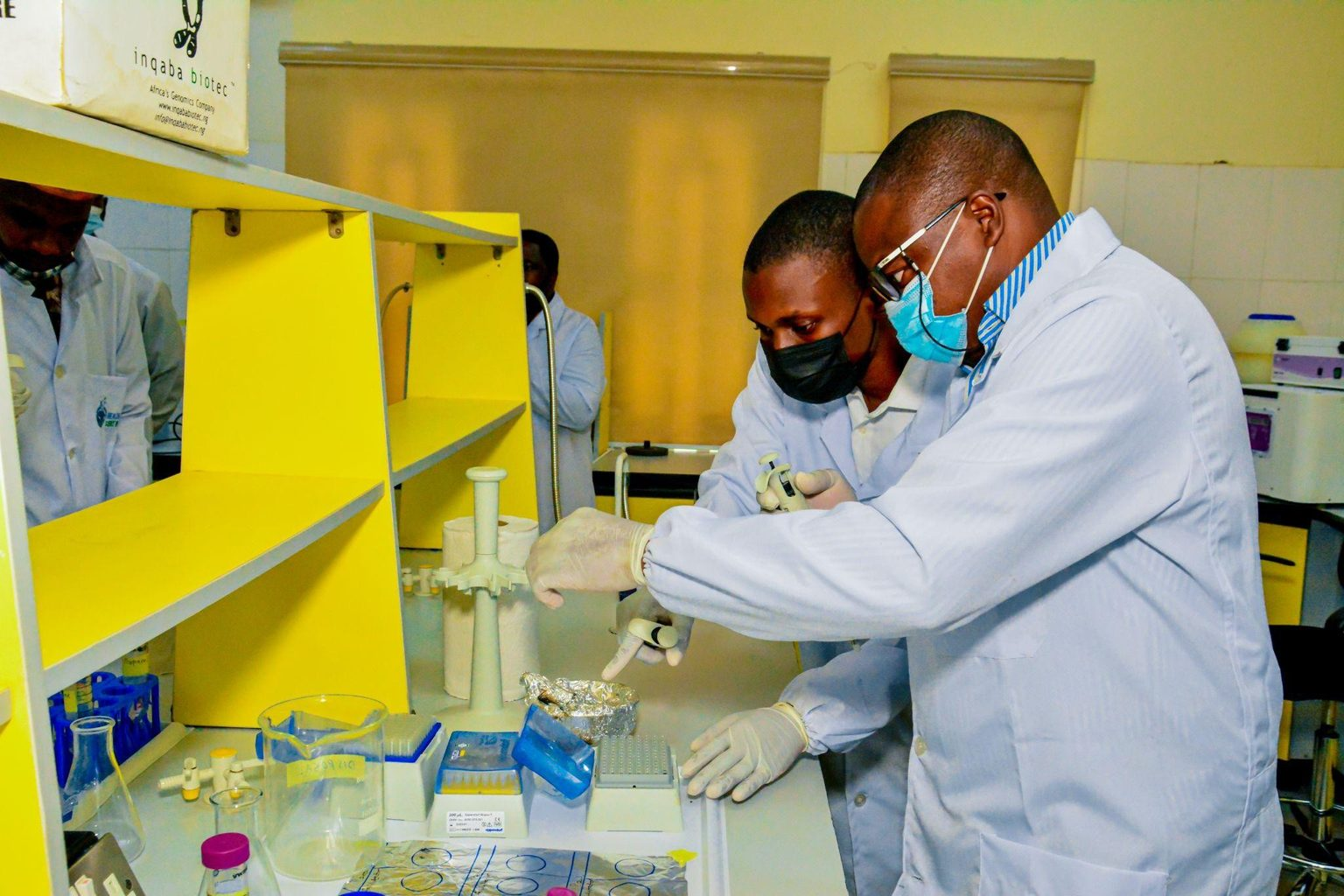
Paul first participated in JR Biotek Foundation’s 2019 Molecular Biology and Open Labware Building Workshop at the University of Abomey-Calavi in Benin Republic.
He later joined the Foundation’s 2021 Plant Molecular Biology Laboratory Training Workshop at the Centre for Dryland Agriculture, Bayero University Kano, Nigeria.
These experiences gave him practical exposure to molecular biology approaches that complemented his work in crop physiology and agronomy.
Importantly, the 2019 programme also introduced him to open-source laboratory tools, an approach particularly relevant to researchers working in settings where access to conventional laboratory infrastructure and equipment can be limited.
For Paul, bringing these different skills together strengthened his ability to investigate questions around crop water and nitrogen-use efficiency and sustainable tropical agriculture.
“These workshops equipped me with advanced molecular biology techniques, enabling me to study plant genetic and molecular responses in crop physiology.”
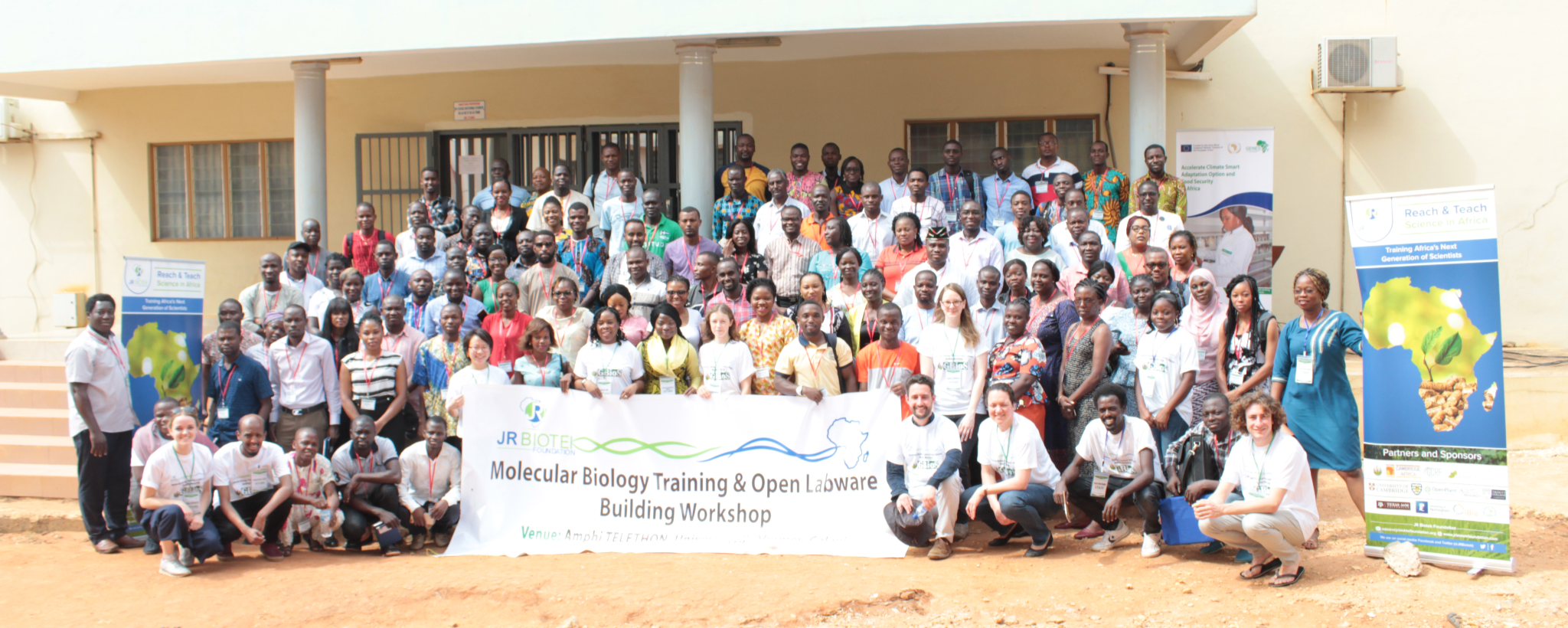
Photo: Paul Soremi was one of 100 early-career African crop scientists participating in JR Biotek Foundation’s Molecular Biology and Open Labware Building Workshop at the University of Abomey-Calavi, Benin Republic, 2019.
Building Collaborations Across Disciplines
Technical skills were only one part of the experience. Through JR Biotek Foundation programmes, Paul also became part of a wider network of scientists working across agricultural disciplines and institutions.
He describes these relationships as helping him connect molecular biology with his existing expertise in agronomy and consider agricultural challenges from a more interdisciplinary perspective.
“Working with researchers from various domains has allowed me to integrate molecular biology and agronomy to tackle climate-resilient farming challenges effectively.”
His participation in the 2022 JR Biotek Alumni Symposium in Ghana provided another opportunity to build those relationships while engaging with researchers working on indigenous crops, food security and agricultural resilience.
Bringing Indigenous Crops into the Conversation
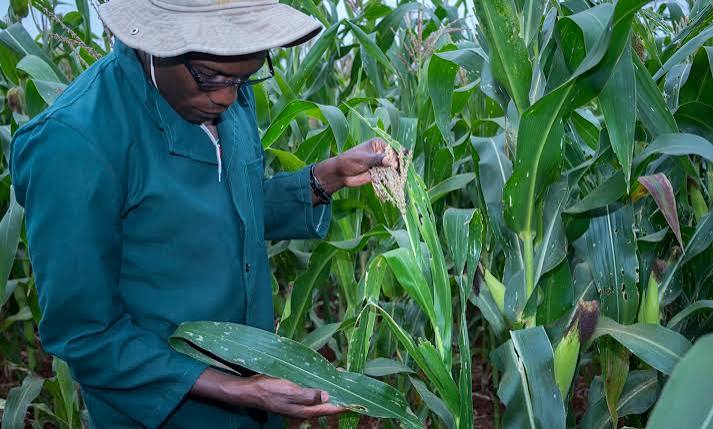
At the 2022 Alumni Symposium, Paul presented his work on the integration of African indigenous crops into tropical farming systems.
The opportunity allowed him to place his research within a wider conversation about how African agriculture can become more productive and resilient while drawing greater attention to crops and farming systems that matter locally.
JR Biotek Foundation also provided travel support that enabled his participation.
For Paul, being able to present his research alongside scientists from other African institutions increased the visibility of his work while strengthening his confidence as a researcher.
“This opportunity not only amplified my work’s visibility but also positioned me as an advocate for sustainable agriculture and traditional farming practices.”
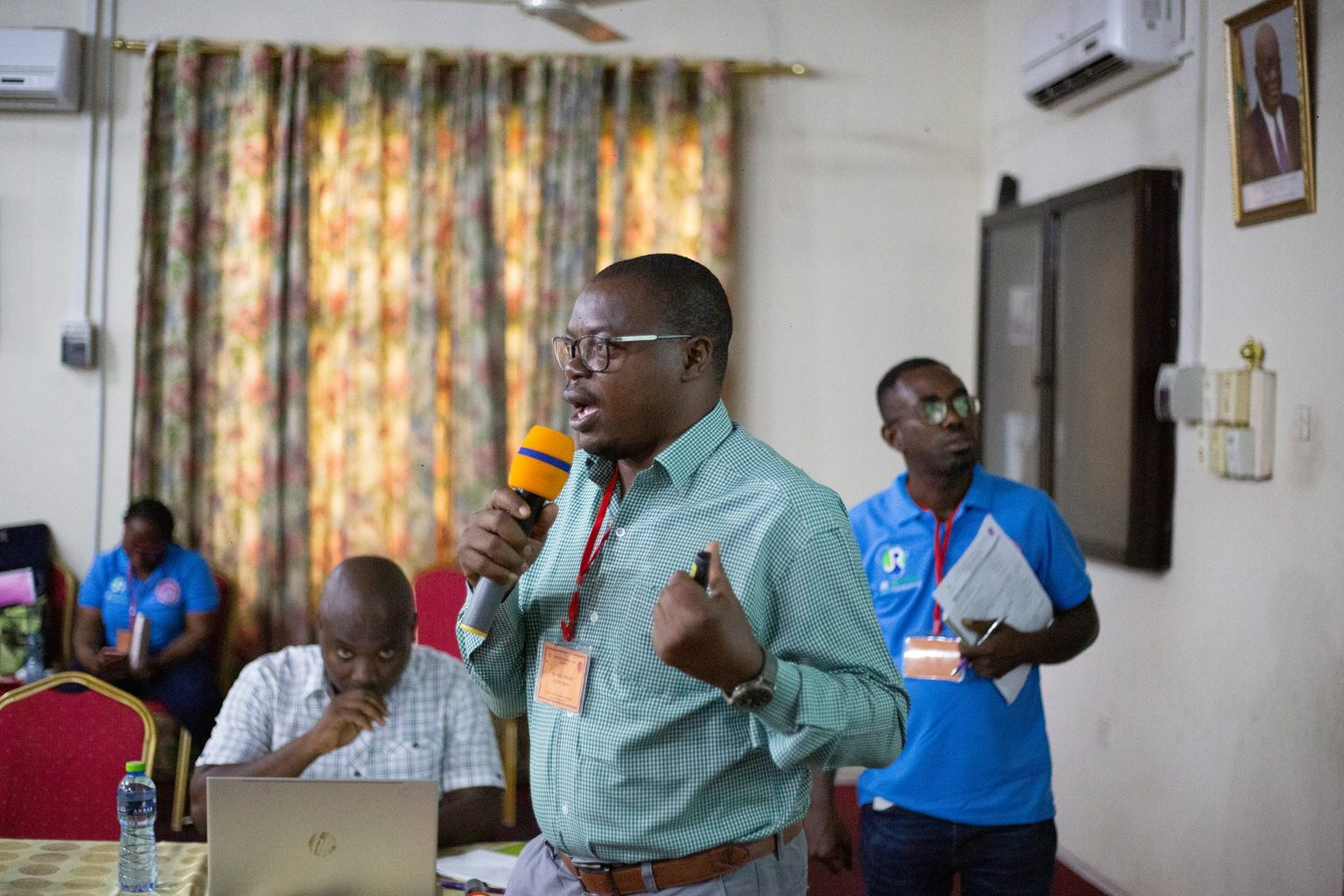
Photo: Paul Soremi presenting his research during the JR Biotek Foundation Alumni Symposium at the CSIR-Crops Research Institute in Ghana, 2022.
From Researcher to Mentor
As Paul’s scientific career has developed, so too has his interest in supporting other researchers.
He credits his experiences within the JR Biotek community with encouraging him to think about leadership and mentorship as part of his role as a scientist and lecturer.
“Inspired by the Foundation’s mission, I am committed to mentoring young African scientists, helping to nurture the next generation of innovators in agricultural research.”
That commitment is particularly significant for a scientist working within a university.
The impact of scientific capacity does not end with the individual researcher. Knowledge can move into classrooms, research supervision and mentoring relationships, creating opportunities for students and younger scientists who may never directly participate in the programme where that knowledge was first acquired.
A Career Built Around Resilience
Paul’s research interests continue to converge around a central challenge: how can agricultural science help build more productive and resilient farming systems in the tropics?
His work brings together questions of crop productivity, water and nitrogen-use efficiency, soil fertility, food security and climate resilience. He sees continued learning as essential to answering those questions.
“The Foundation has instilled in me a culture of lifelong learning, equipping me with the adaptability to stay ahead in modern research methodologies and technologies.”
For Paul, the journey from molecular biology training to interdisciplinary agricultural research has therefore been about more than accumulating techniques.
It has been about learning how different areas of science can work together, and how a scientist can move between research, teaching, collaboration and mentorship while remaining focused on agricultural problems that matter.
The Multiplier Effect
Paul’s journey captures an important part of JR Biotek Foundation’s approach to scientific capacity building.
He participated in one programme and returned for another. He developed new technical skills, expanded his scientific network, presented his research internationally and carried those experiences into his work as a researcher and university lecturer.
Now, he wants to help other African scientists develop too.
In his own words:
“JR Biotek Foundation’s comprehensive support has elevated the technical depth, creativity, and global significance of my research. It has empowered me to lead, collaborate, and advocate for innovative solutions to address agricultural challenges in the tropics, shaping a career focused on sustainability and resilience.”
His story is a reminder that investing in a scientist can strengthen more than one research project. It can shape the research they pursue, the collaborations they build, the students they teach and the scientists they help develop next.