From Laboratory Skills to Drought-Resilient Crops: Beakal Tadesse Girma’s Journey

From gaining hands-on molecular biology experience with JR Biotek Foundation to pursuing PhD research on drought-tolerant tef, Beakal Tadesse Girma is applying science to questions that matter for African agriculture.

By JR Biotek Foundation | Alumni Story

For Beakal Tadesse Girma, gaining access to practical molecular biology training was about more than learning laboratory techniques. It helped build the scientific confidence and experience he would later draw upon as his research career developed.

Today, Beakal is a PhD researcher at the University of Cape Town, South Africa, and a scientist at the Ethiopian Institute of Agricultural Research, Ethiopia. His work brings together plant breeding, molecular science and climate resilience, with a particular interest in improving crops for the environments and communities that depend on them.

His journey reflects an important part of JR Biotek Foundation’s approach to scientific capacity building: when scientists gain access to practical skills, networks and opportunities, the value of that investment can travel with them throughout their careers.

Building the Practical Foundations

Beakal’s journey with JR Biotek Foundation began with hands-on molecular biology training.

“JR Biotek provided me with invaluable hands-on training in the practical aspects of molecular biology.”

Through the Foundation’s programmes, he gained practical experience in techniques including DNA and RNA extraction, skills that became part of the foundation of his laboratory work.

During the COVID-19 period, his engagement continued through theoretical training, which deepened his understanding of research concepts and introduced him to advanced approaches in data analysis and visualisation.

For Beakal, the combination of practical and theoretical learning had a lasting effect.

“These experiences significantly enhanced my ability to work independently and played a crucial role in helping me secure scholarships in my field. They also prepared me to thrive in larger, more advanced laboratories, where I now conduct my research with greater accuracy and efficiency.”
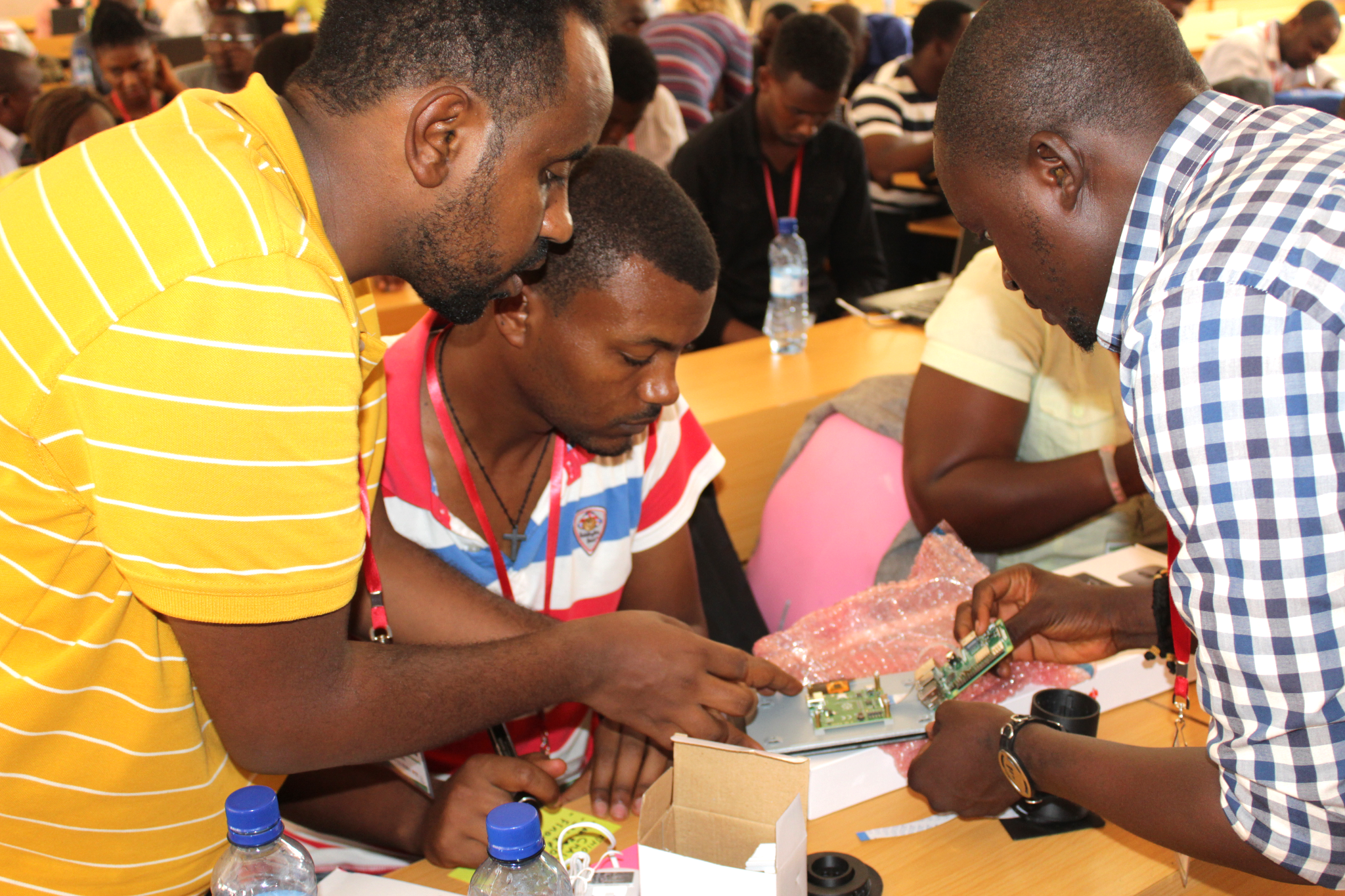
Photo: Beakal Tadesse Girma participating in JR Biotek Foundation’s 2019 hands-on Plant Molecular Biotechnology Laboratory Training and Open Labware Building Workshop at the University of Abomey-Calavi, Benin Republic.

Applying Science to Drought Resilience

The skills Beakal developed have accompanied him into increasingly advanced research.

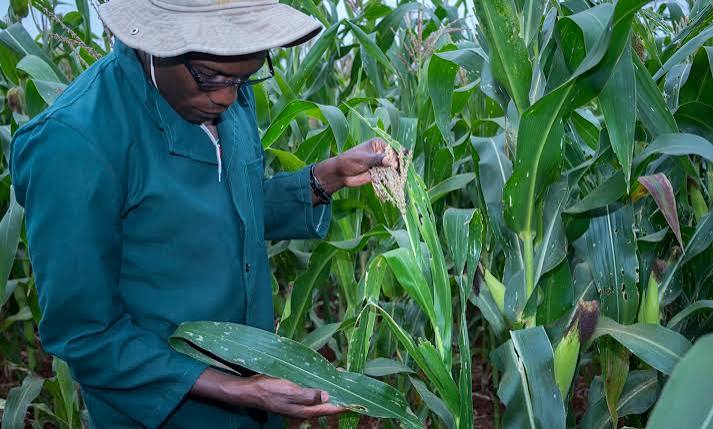
His PhD at the University of Cape Town focuses on identifying drought-tolerant tef genotypes and investigating the mechanisms underlying drought tolerance using morpho-physiological and molecular approaches.

Tef is deeply connected to Ethiopian agriculture and food systems, making questions around its productivity and resilience particularly relevant in the context of a changing climate.

Alongside his doctoral research, Beakal works as a scientist at the Ethiopian Institute of Agricultural Research, where his research focuses on improving food crops through conventional breeding to enhance productivity and resilience.

For him, the relationship between earlier training and his current work is clear:

“The skills and knowledge I gained from JR Biotek have been instrumental in strengthening my research capabilities and applying innovative techniques to my work.”

His progression demonstrates why practical scientific capacity matters. A laboratory technique learned during a training programme does not necessarily end when the programme does. It can become part of the toolkit a scientist carries into future research questions, laboratories and institutions.

Beyond the Laboratory

Beakal’s experience with JR Biotek Foundation also extended beyond technical training.

Through the Foundation’s network, he connected with researchers from across Africa, creating opportunities to exchange ideas and develop collaborations.

“JR Biotek fostered my professional growth by facilitating networking opportunities with African researchers, enabling collaborations and the exchange of knowledge.”

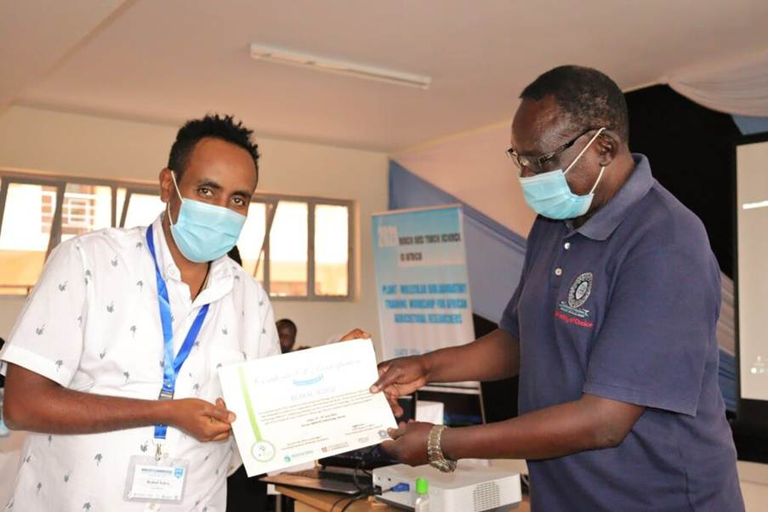
Participation in JR Biotek Foundation’s innovation and business incubation activities also encouraged him to think differently about the relationship between research and application.

Rather than seeing scientific research as an endpoint, he began considering how knowledge might connect with innovation and enterprise.

“These experiences expanded my perspective beyond the laboratory and helped shape my development as both a scientist and innovator.”

That shift matters. Africa needs scientists capable of producing excellent research, but also researchers who can ask where knowledge might travel next, towards a farmer, an agricultural challenge, a new technology, an enterprise or another scientist.

Building a Career and Looking Further Ahead

Beakal credits the combination of scientific training, professional networks and wider exposure with strengthening his competitiveness as a researcher and helping him pursue scholarships, grants and further career opportunities.

But perhaps the more important outcome is how he now sees his role as a scientist.

“The experience has fostered an innovative mindset, motivating me to be part of the solution in my field and to consider business opportunities alongside scientific research.”

From learning fundamental molecular biology techniques to investigating drought resilience in tef, Beakal’s journey demonstrates how scientific capacity can accumulate over time.

The training may begin in a laboratory. But its influence can continue into a PhD, a research institute, new collaborations, future innovations and the agricultural challenges a scientist chooses to address.

The Multiplier Effect

Beakal’s story is part of a wider pattern across the JR Biotek Foundation alumni network.

Scientific capacity building is most powerful when knowledge does not remain within the programme in which it was acquired. It moves with people.

For Beakal, it has moved from hands-on molecular biology training to advanced research; from technical skills to greater scientific independence; and from the laboratory towards a broader understanding of innovation and impact.

Today, as he works across the University of Cape Town and the Ethiopian Institute of Agricultural Research, that journey continues.

One opportunity helped strengthen a scientist. What that scientist goes on to contribute can travel much further.
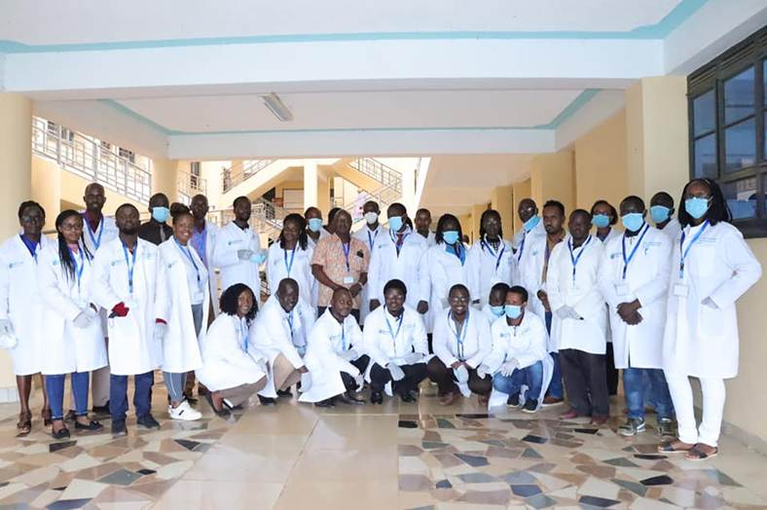
Image: JR Biotek Foundation training programme at the Masinde Muliro University of Science and Technology (MMUST), Kenya in 2021
News & Stories

Stay up to date with our latest scientific training programmes, farmer engagement activities, research and innovation, alumni achievements and partnerships and events.

April 3, 2025

Roots of Resilience: Celebrating a Decade of Science, Partnership and African-Led Innovation

Cambridge, 27 March 2025 — At the University of Cambridge, JR Biotek Foundation marked its tenth anniversary with Roots of Resilience: A Decade of Innovation & Impact, a day-long gathering of scientists, policy experts, business practitioners, artists, alumni and partners from Africa and around the world.
April 5, 2025

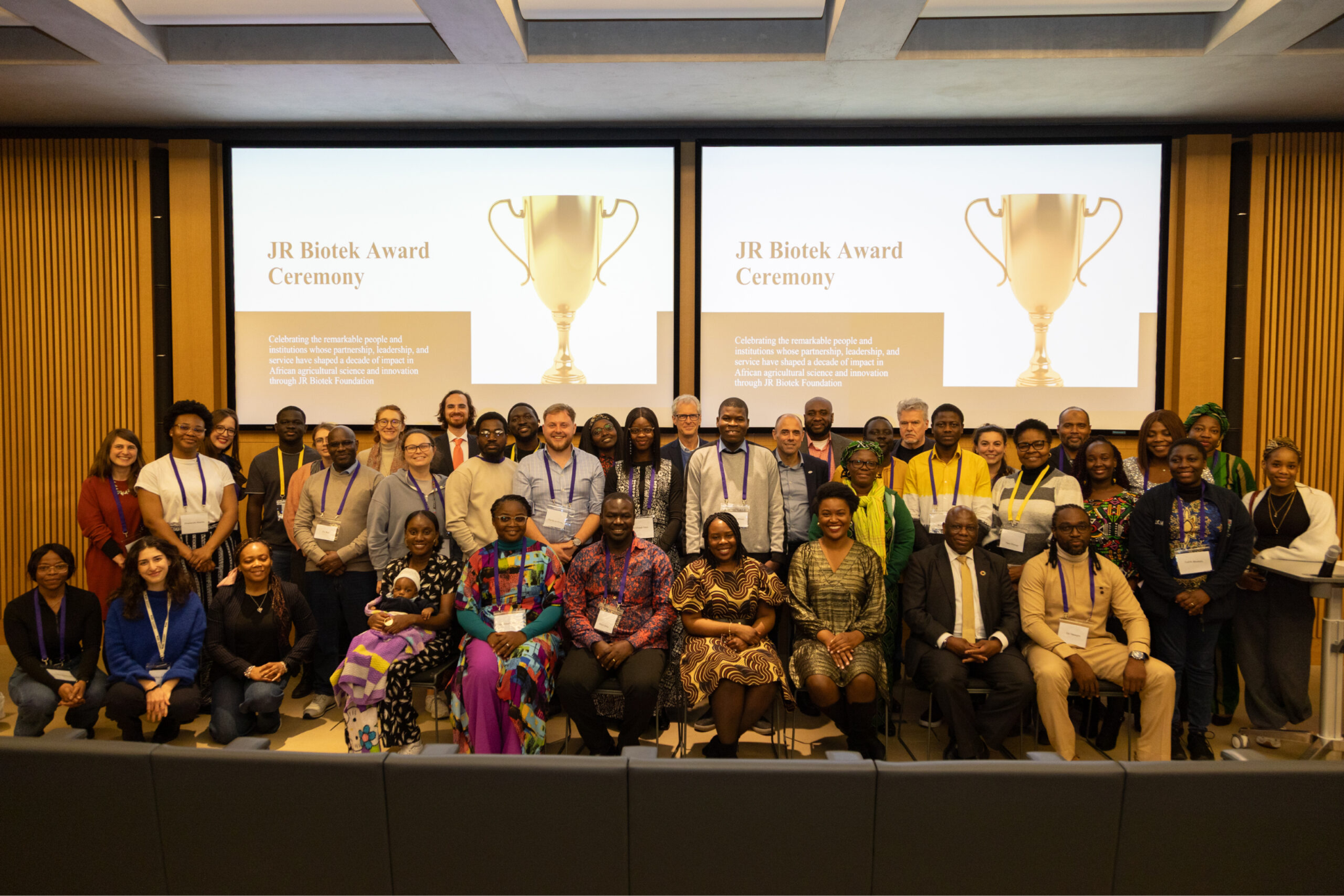
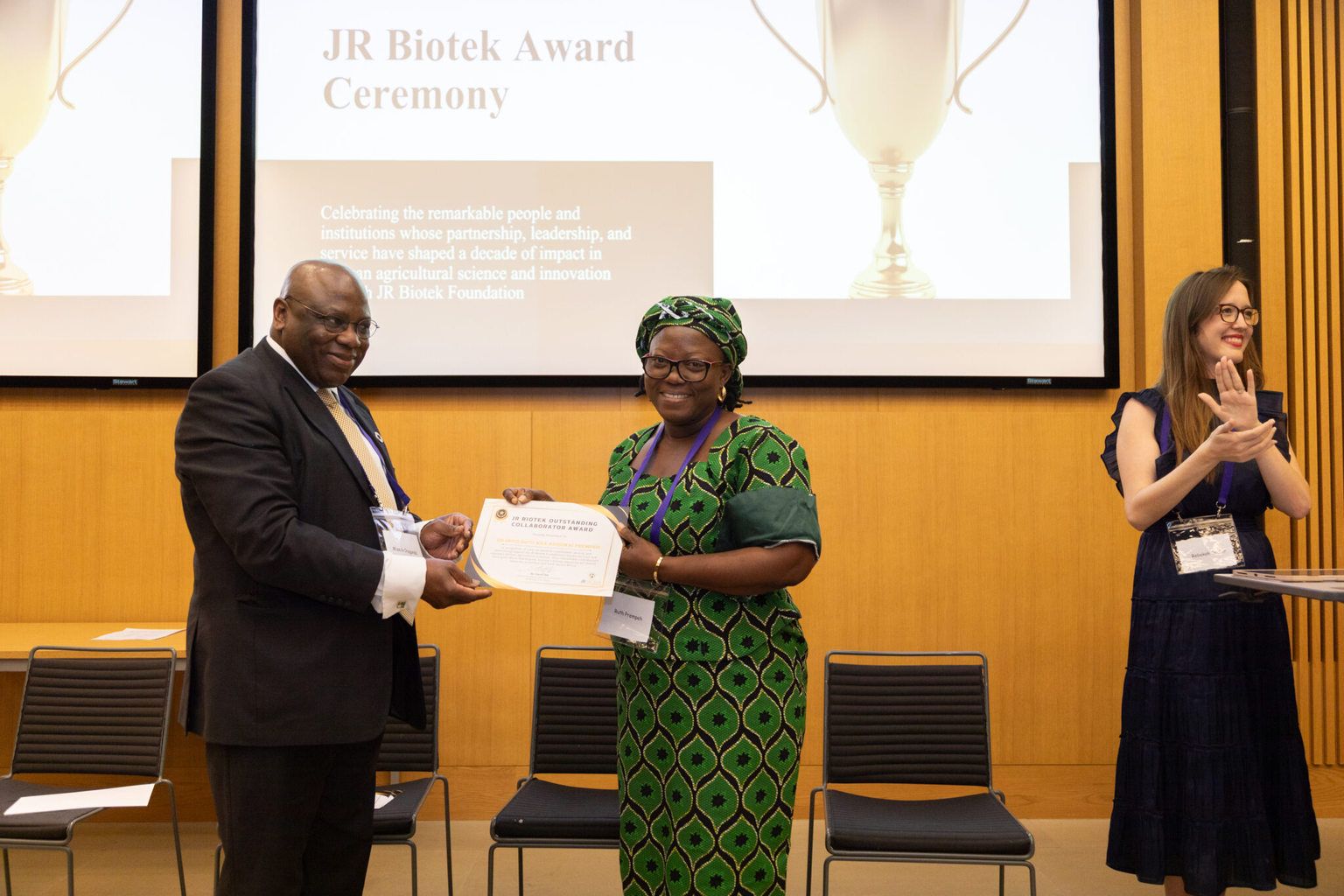
JR Biotek Awards Honour a Decade of Partnership, Service and Excellence in African Science

For ten years, JR Biotek Foundation’s work has been built not only through programmes, but through people, scientists who mentor others, institutions that open their laboratories and networks, volunteers who give their time, and partners who believe that strengthening African science can transform lives and food systems.
October 2, 2025

JR Biotek Foundation Launches AGRIIP: A 10-Year Mission to Reimagine Africa’s Food Future

JR Biotek Foundation has launched the Agri-Innovation & Impact Platform (AGRIIP), an ambitious 10-year initiative bringing together African scientists, farmers, entrepreneurs and institutions to develop science-backed solutions to some of the most pressing challenges facing African agriculture and food systems.
Scroll to Top

Subscribe to our newsletter

* indicates required
Consent & Privacy

From Laboratory Skills to Drought-Resilient Crops: Beakal Tadesse Girma’s Journey

By JR Biotek Foundation

From gaining hands-on molecular biology experience with JR Biotek Foundation to pursuing PhD research on drought-tolerant tef, Beakal Tadesse Girma is applying science to questions that matter for African agriculture.

From Laboratory Skills to Drought-Resilient Crops: Beakal Tadesse Girma’s Journey

From gaining hands-on molecular biology experience with JR Biotek Foundation to pursuing PhD research on drought-tolerant tef, Beakal Tadesse Girma is applying science to questions that matter for African agriculture.

By JR Biotek Foundation | Alumni Story

For Beakal Tadesse Girma, gaining access to practical molecular biology training was about more than learning laboratory techniques. It helped build the scientific confidence and experience he would later draw upon as his research career developed.

Today, Beakal is a PhD researcher at the University of Cape Town, South Africa, and a scientist at the Ethiopian Institute of Agricultural Research, Ethiopia. His work brings together plant breeding, molecular science and climate resilience, with a particular interest in improving crops for the environments and communities that depend on them.

His journey reflects an important part of JR Biotek Foundation’s approach to scientific capacity building: when scientists gain access to practical skills, networks and opportunities, the value of that investment can travel with them throughout their careers.

Building the Practical Foundations

Beakal’s journey with JR Biotek Foundation began with hands-on molecular biology training.

“JR Biotek provided me with invaluable hands-on training in the practical aspects of molecular biology.”

Through the Foundation’s programmes, he gained practical experience in techniques including DNA and RNA extraction, skills that became part of the foundation of his laboratory work.

During the COVID-19 period, his engagement continued through theoretical training, which deepened his understanding of research concepts and introduced him to advanced approaches in data analysis and visualisation.

For Beakal, the combination of practical and theoretical learning had a lasting effect.

“These experiences significantly enhanced my ability to work independently and played a crucial role in helping me secure scholarships in my field. They also prepared me to thrive in larger, more advanced laboratories, where I now conduct my research with greater accuracy and efficiency.”

Photo: Beakal Tadesse Girma participating in JR Biotek Foundation’s 2019 hands-on Plant Molecular Biotechnology Laboratory Training and Open Labware Building Workshop at the University of Abomey-Calavi, Benin Republic.

Applying Science to Drought Resilience

The skills Beakal developed have accompanied him into increasingly advanced research.

His PhD at the University of Cape Town focuses on identifying drought-tolerant tef genotypes and investigating the mechanisms underlying drought tolerance using morpho-physiological and molecular approaches.

Tef is deeply connected to Ethiopian agriculture and food systems, making questions around its productivity and resilience particularly relevant in the context of a changing climate.

Alongside his doctoral research, Beakal works as a scientist at the Ethiopian Institute of Agricultural Research, where his research focuses on improving food crops through conventional breeding to enhance productivity and resilience.

For him, the relationship between earlier training and his current work is clear:

“The skills and knowledge I gained from JR Biotek have been instrumental in strengthening my research capabilities and applying innovative techniques to my work.”

His progression demonstrates why practical scientific capacity matters. A laboratory technique learned during a training programme does not necessarily end when the programme does. It can become part of the toolkit a scientist carries into future research questions, laboratories and institutions.

Beyond the Laboratory

Beakal’s experience with JR Biotek Foundation also extended beyond technical training.

Through the Foundation’s network, he connected with researchers from across Africa, creating opportunities to exchange ideas and develop collaborations.

“JR Biotek fostered my professional growth by facilitating networking opportunities with African researchers, enabling collaborations and the exchange of knowledge.”

Participation in JR Biotek Foundation’s innovation and business incubation activities also encouraged him to think differently about the relationship between research and application.

Rather than seeing scientific research as an endpoint, he began considering how knowledge might connect with innovation and enterprise.

“These experiences expanded my perspective beyond the laboratory and helped shape my development as both a scientist and innovator.”

That shift matters. Africa needs scientists capable of producing excellent research, but also researchers who can ask where knowledge might travel next, towards a farmer, an agricultural challenge, a new technology, an enterprise or another scientist.

Building a Career and Looking Further Ahead

Beakal credits the combination of scientific training, professional networks and wider exposure with strengthening his competitiveness as a researcher and helping him pursue scholarships, grants and further career opportunities.

But perhaps the more important outcome is how he now sees his role as a scientist.

“The experience has fostered an innovative mindset, motivating me to be part of the solution in my field and to consider business opportunities alongside scientific research.”

From learning fundamental molecular biology techniques to investigating drought resilience in tef, Beakal’s journey demonstrates how scientific capacity can accumulate over time.

The training may begin in a laboratory. But its influence can continue into a PhD, a research institute, new collaborations, future innovations and the agricultural challenges a scientist chooses to address.

The Multiplier Effect

Beakal’s story is part of a wider pattern across the JR Biotek Foundation alumni network.

Scientific capacity building is most powerful when knowledge does not remain within the programme in which it was acquired. It moves with people.

For Beakal, it has moved from hands-on molecular biology training to advanced research; from technical skills to greater scientific independence; and from the laboratory towards a broader understanding of innovation and impact.

Today, as he works across the University of Cape Town and the Ethiopian Institute of Agricultural Research, that journey continues.

One opportunity helped strengthen a scientist. What that scientist goes on to contribute can travel much further.

Image: JR Biotek Foundation training programme at the Masinde Muliro University of Science and Technology (MMUST), Kenya in 2021