Beyond the Training: How JR Biotek Alumni Are Multiplying Impact Across Africa
From classrooms and laboratories to research collaborations, new technologies, scientific leadership and farmer-facing innovation, JR Biotek alumni are taking opportunities further, and creating opportunities for others.
By JR Biotek Foundation | Alumni Stories
What happens after a scientist completes a JR Biotek Foundation programme?
They return to universities and research institutes, teach students, ursue PhDs, build collaborations across countries, secure research funding, mentor other scientists, introduce new technologies into their laboratories, develop enterprises, and, in some cases, return to JR Biotek Foundation as trainers, volunteers and programme leaders.
Across more than a decade of JR Biotek Foundation programmes, these individual journeys have become one of the clearest expressions of our impact.
“Talent is everywhere but opportunity is not.” – Dr Carol N. Ibe, Founder & Executive Director, JR Biotek Foundation
That conviction has shaped JR Biotek Foundation from the beginning. Across Africa, there is no shortage of talented scientists with the ideas, determination and potential to address major agricultural and environmental challenges. What is often unequal is access, to practical scientific training, mentorship, technologies, professional networks, research collaborations and opportunities to grow.
The stories of our alumni show what can happen when that access is expanded.
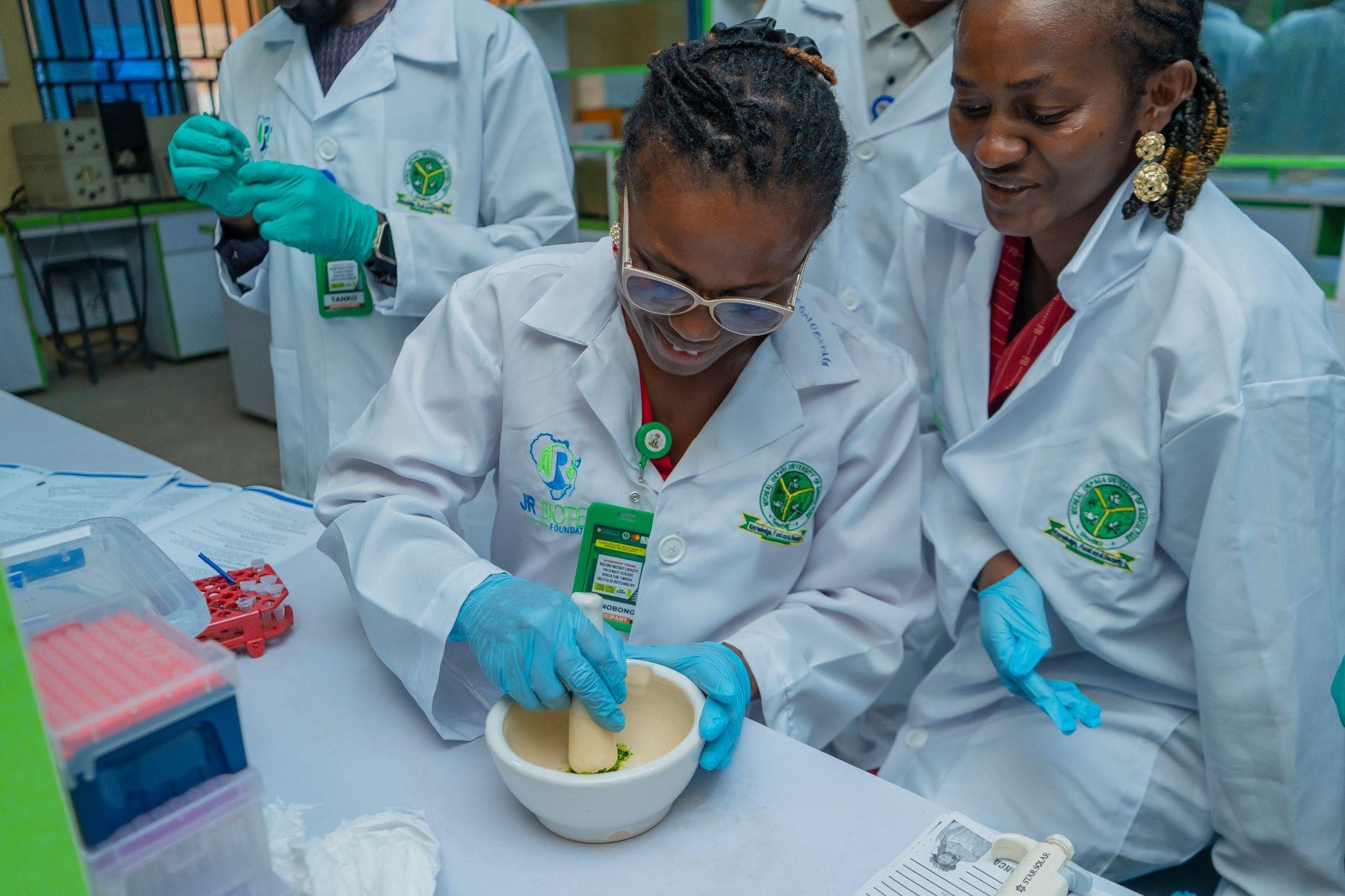
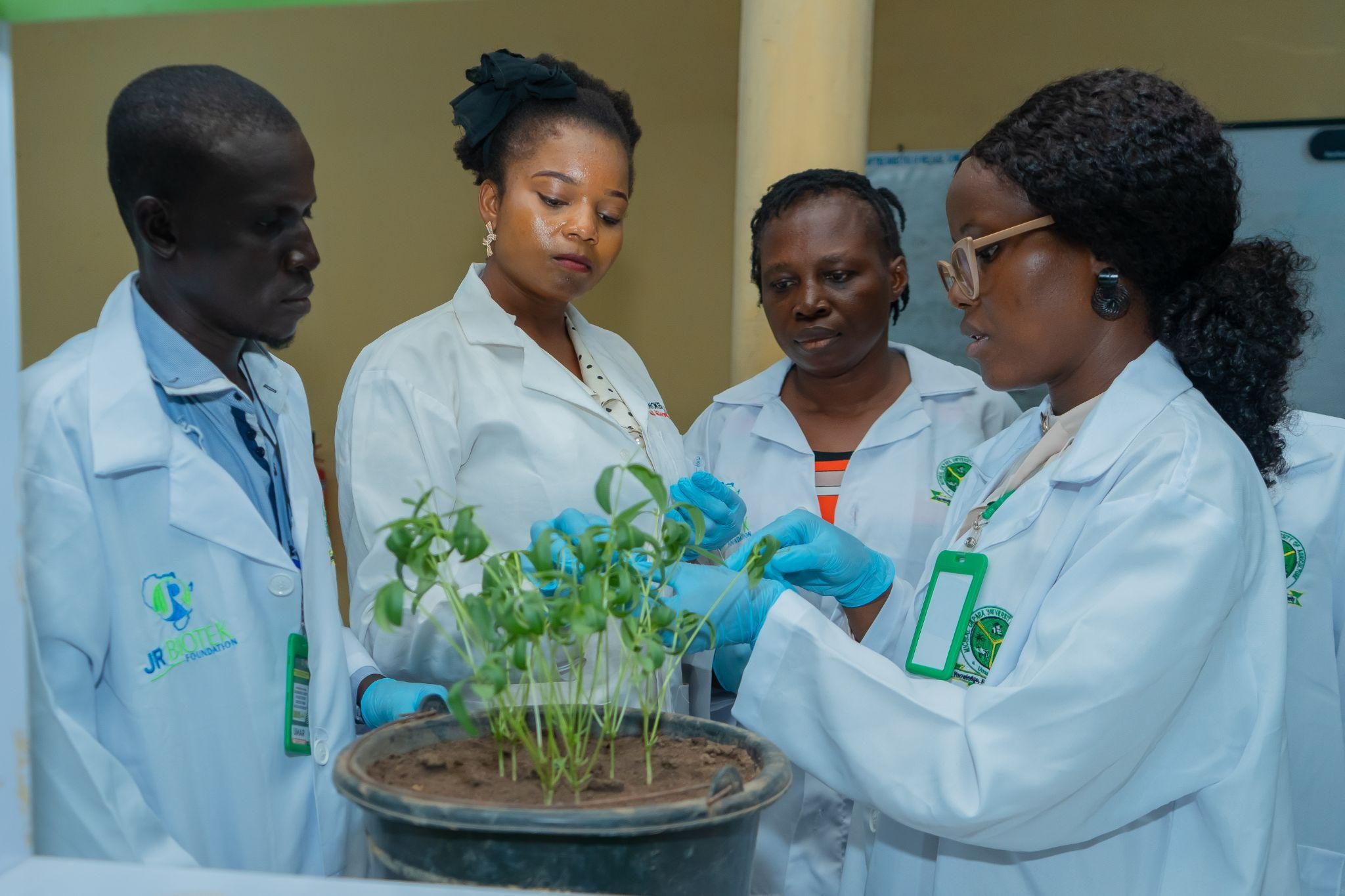
Photo: Participants undertaking hands-on laboratory training during JR Biotek Foundation’s 2026 molecular biotechnology programme in Nigeria.
From learning about science to doing science
For some members of our community, JR Biotek provided an opportunity to translate theoretical knowledge into practical experience.
Dr Kwabena Darkwa of Ghana remembers the difference that made:
“The workshop will long remain a high point of my life as it offered me the opportunity to practice, for the first time, theoretical and laboratory procedures that I had been reading about for years. It has indeed bridged the gap between theory and practice.”
For Promise Kenkwo of Nigeria, the experience continued to influence his work long afterwards:
“The workshops gave me some of the best hands-on training and research exposure in molecular biology, which continue to be instrumental to my current research and career.”
Dr Timi Wood of Nigeria similarly describes resources that have remained useful throughout his scientific work:
“The training resources remain my evergreen reference point for research enquiries and consultations. They strengthened my scientific network and boosted my confidence in molecular biology laboratory techniques.”
And in Kenya, Lubao Wanyonyi Murere found that the experience strengthened his ability to undertake more advanced research:
“The workshop improved my skills in the serological and molecular characterisation of pathogens and strengthened my ability to conduct advanced molecular research.”
These experiences matter because scientific potential cannot flourish on theory alone. Scientists need opportunities to practise, experiment, ask questions, work with technologies and develop the confidence to apply what they know.
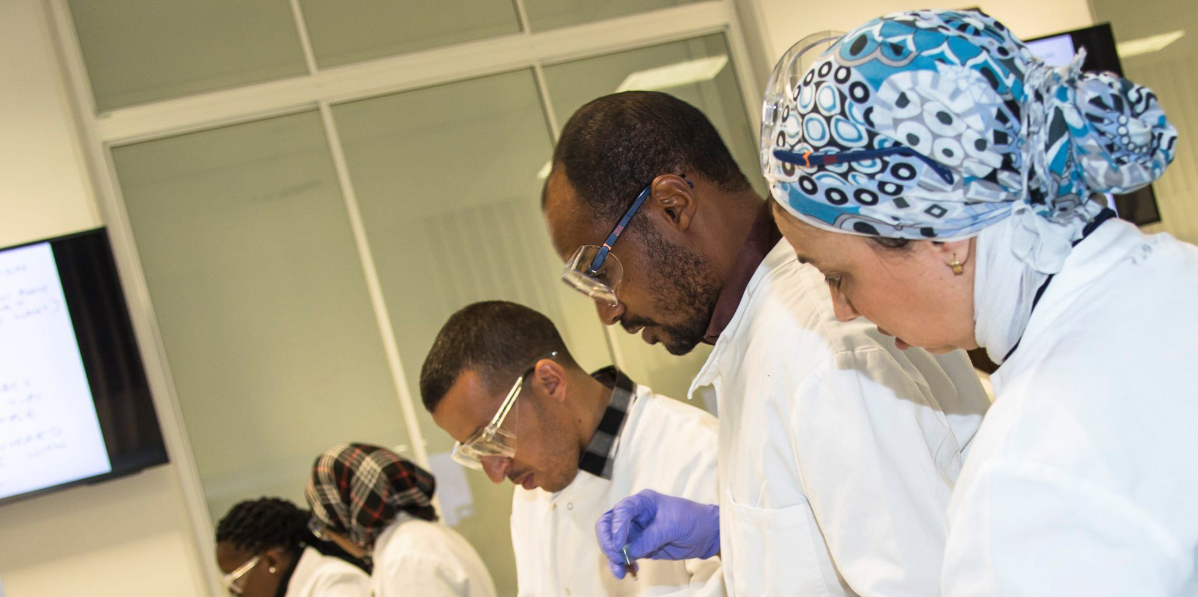
Photo: African scientists participating in JR Biotek Foundation’s hands-on laboratory training programme at the University of Cambridge, 2017.
Shaping research and scientific careers
Sometimes an opportunity can influence the direction of a research career.
For Esosa Abraham Omere of the University of Benin, Nigeria, participation in a JR Biotek programme came at an important point in his PhD:
“Before attending the workshop, I was struggling to refine my PhD research direction. The lectures provided insights that helped shape a well-organised research programme using plant breeding to address major health challenges.”
For Michael Israel of Nigeria’s National Root Crops Research Institute, the experience stimulated new interest in applying molecular science to climate resilience:
“This training has aroused my curiosity and interest in the use of modern molecular tools in plant breeding to advance climate-resilient crops.”
Harun Ali Kellu of the University of Maiduguri connected what he learned with a desire to contribute beyond himself:
“The whole training was overwhelming in the best possible way. I felt the need to learn more so that I can apply such knowledge in helping my community.”
Others describe tangible professional progression.
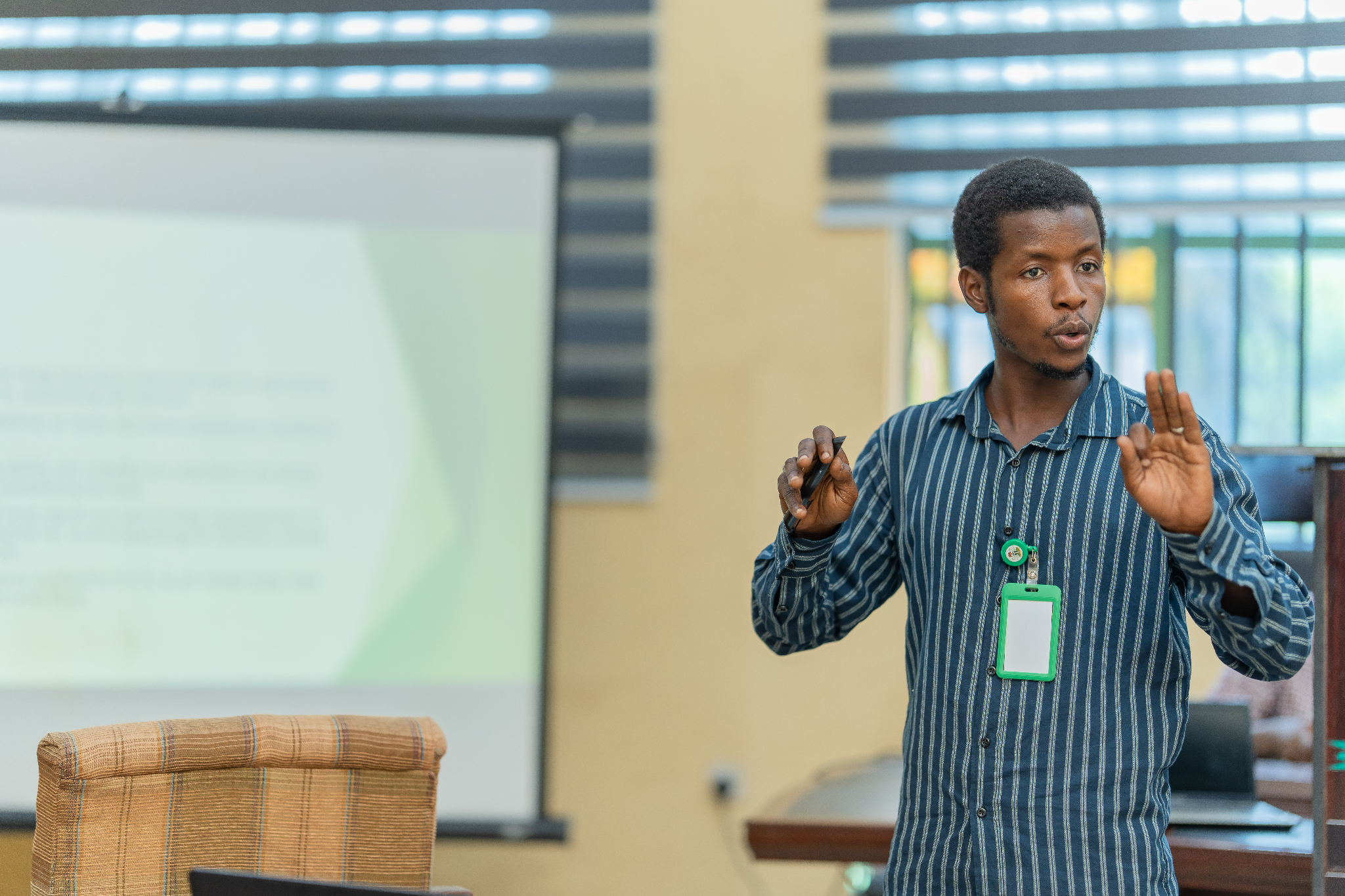
Photo: Harun Ali Kellu presenting his research during JR Biotek Foundation’s molecular biotechnology training programme at MOUAU, Nigeria, 2026.
Deborah Oforiwaa of CSIR-SARI, Ghana, says:
“I had the opportunity to be recruited into a tissue culture laboratory because of the knowledge acquired during the workshop.”
And Grace Gachara of Mohammed VI Polytechnic University, Morocco, reflects:
“The Foundation’s commitment to empowering scientists like me has truly transformed both my personal and professional trajectory, enabling me to contribute meaningfully to global research efforts.”
The outcomes are different, but the underlying principle is the same: access to the right knowledge and opportunity at the right time can alter what becomes possible.
When one scientist teaches thousands more
The multiplier becomes particularly visible when scientists return to their universities and research institutions.
JR Biotek Foundation’s alumni evaluation included 115 respondents. Among them, 60 scientists and educators reported collectively teaching, training, supervising or mentoring approximately 21,857 university students every year.
That means the knowledge gained by one scientist does not remain with one scientist.
Dr Obaiya Grace Utoblo of the University of Jos, Nigeria, explains:
“The knowledge gained has enabled me to teach biotechnology concepts more confidently. I regularly share JR Biotek educational resources with my students and encourage them to learn beyond the classroom.”
Similarly, Kayode Ezekiel Ogunsola of Bells University of Technology, Nigeria, says:
“The skills obtained have been highly valuable in my teaching of undergraduate and postgraduate biotechnology courses.”
This is one of the most important ways our impact travels.
We may directly train a scientist once. That scientist may teach students every year for decades. Some of those students will become researchers, lecturers, innovators and mentors themselves.
Investing in one scientist can therefore mean investing in generations of scientists we may never meet.
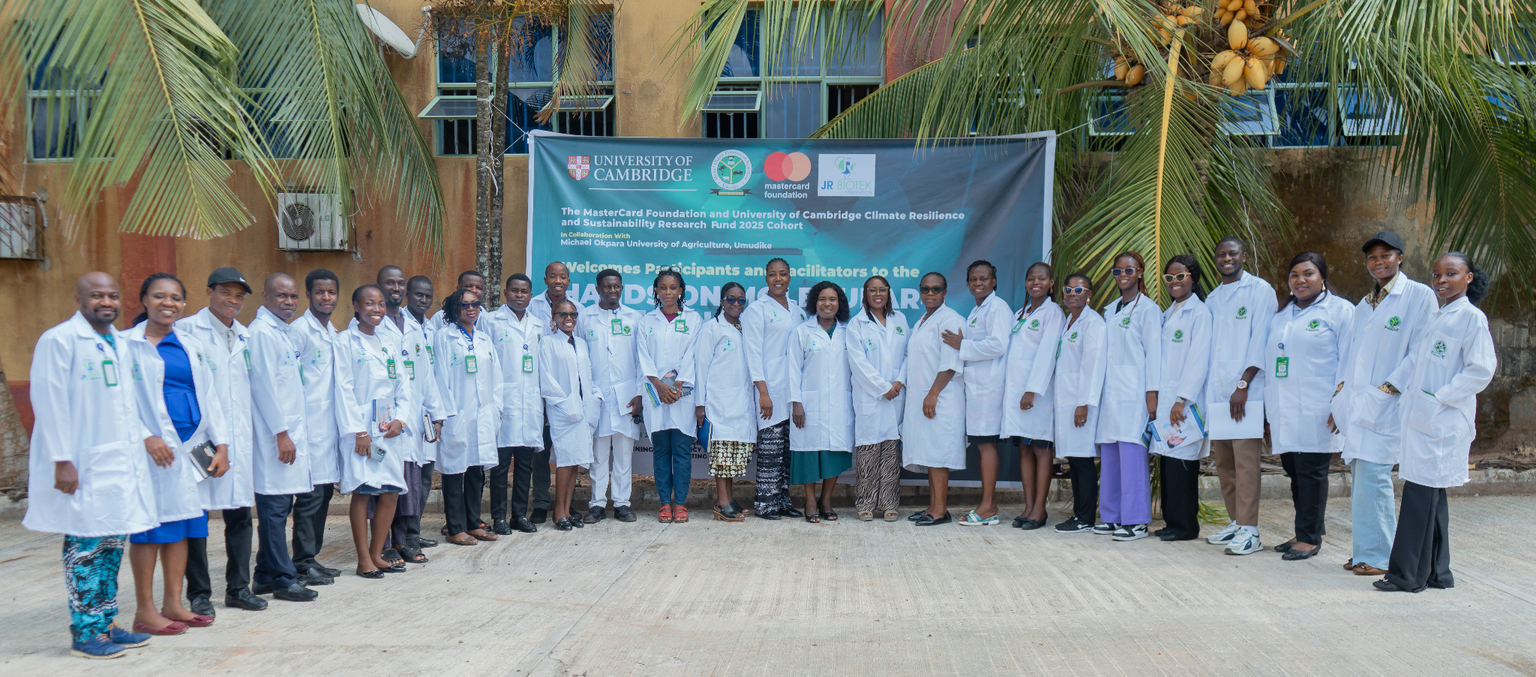
Photo: Scientists and facilitators during JR Biotek Foundation’s 2026 molecular biotechnology training programme at MOUAU, Nigeria.
Mentorship that continues beyond a programme
Scientific careers are built through more than technical competence. Researchers also need guidance, confidence, professional networks and people who can help them navigate the challenges of academic and scientific careers.
For Nii Ayi Ankrah of Kwame Nkrumah University of Science and Technology, Ghana, this combination of training and mentorship had a lasting effect:
“Through its tailored training and mentorship, JR Biotek Foundation empowered me to navigate academic challenges and elevate my research, paving the way for greater success in my career. The Foundation’s support has been a catalyst for both my personal and professional advancement.”
Dr Anthony Mabele of Kenya describes the value of structured mentorship:
“The six-month mentorship programme provided invaluable insights into reviewing papers, publications, and building my academic career.”
But perhaps even more importantly, he describes becoming part of something that continued after the programme itself:
“Through training programmes, mentorship, journal clubs, and international partnerships, I became part of a community of scientists who continue to learn from, collaborate with, and support one another.”
That sense of community has become an important part of JR Biotek Foundation’s work. Because science does not advance through knowledge alone. Relationships are also scientific infrastructure.
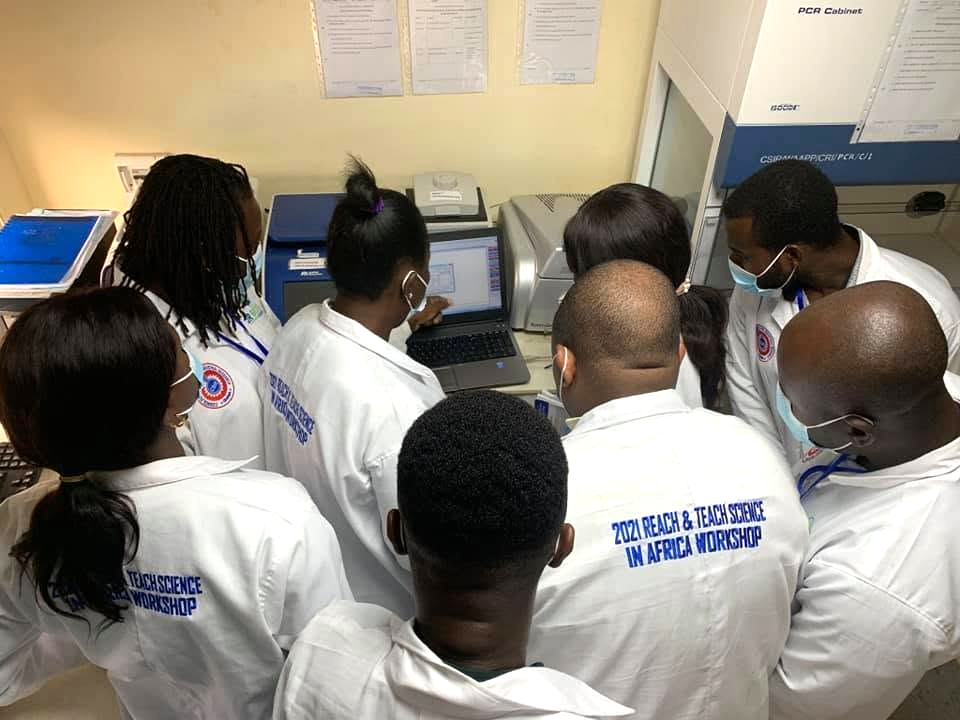
Photo: Scientists participating in JR Biotek Foundation’s plant molecular biology training programme in Ghana, 2021.
Connections that become collaborations
Across our network, scientists repeatedly tell us that the people they met through JR Biotek have become collaborators, research partners and sources of professional support.
Dr Ethelyn Forchibe of Cameroon explains:
“Networking is key in research and development. Through the workshop, I met researchers and collaborators who have since become partners on projects that led to peer-reviewed publications.”
In Kenya, Hellen Njoroge reports:
“We are currently applying for research funding in collaboration with a colleague I met through a JR Biotek Foundation workshop.”
For Dr Mona Zayed of Egypt, those relationships crossed national borders:
“I collaborated with colleagues from Ghana and Nigeria to develop joint research proposals, while also establishing new international connections through conference participation.”
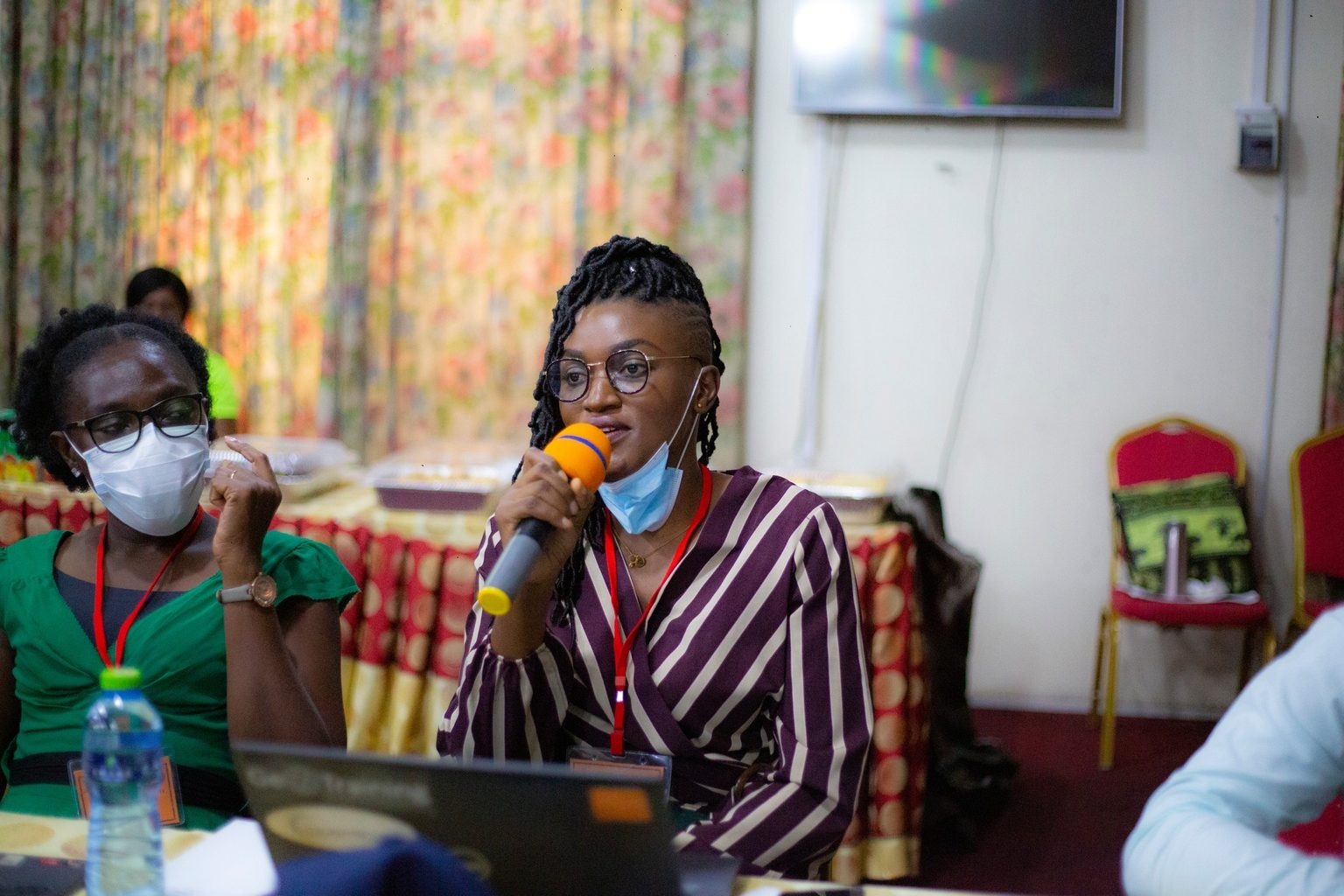
Image: Dr Ethelyn Forchibe speaking during JR Biotek Foundation’s 2022 Alumni Symposium in Ghana.
Naaman Arodi, a PhD researcher in Kenya, similarly says:
“The programme inspired me to build partnerships and collaborations that continue to support my PhD research and professional development.”
And Dr Velma Okaron reflects:
“The programme helped expand my professional networks and collaborations while strengthening the quality of my research.”
A training programme may last a week. A research relationship created during that programme can last for years.
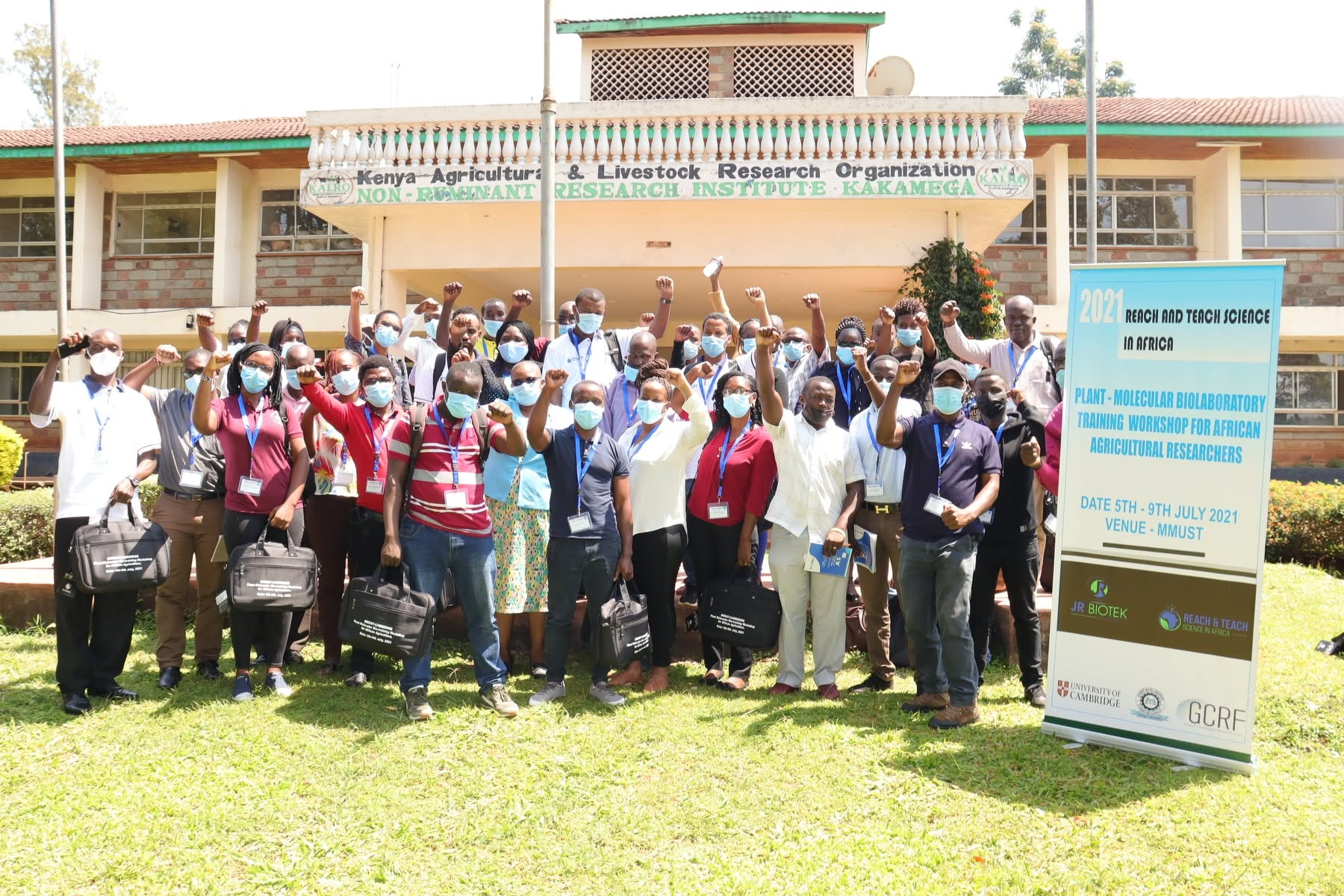
Photo: Participants and facilitators at JR Biotek Foundation’s plant molecular biology training programme in Kenya, 2021.
When relationships unlock research opportunities
Some of those relationships have subsequently generated new research opportunities and resources.
Dr Jacob Ulzen of the University of Ghana says:
“Through JR Biotek, I successfully secured funding from SPUN to conduct studies on mycorrhiza. The foundation also provided invaluable networking opportunities, connecting me with scientists whose collaborations continue to shape my research today.”
And Eric Agoyi of the University of Abomey-Calavi, Benin Republic, describes how a connection with an instructor developed into international collaboration:
“I developed a joint proposal with one of the instructors, and this training helped me secure research partners in the United Kingdom.”
Across JR Biotek’s alumni evaluation, 15 respondents reported collectively leveraging more than US$591,000 in research grants, scholarships, fellowships, travel awards, equipment support and other professional opportunities following their participation in Foundation programmes. These resources do more than advance individual careers. They can support research, equipment, mobility, collaborations and opportunities that strengthen the wider institutions in which those scientists work.
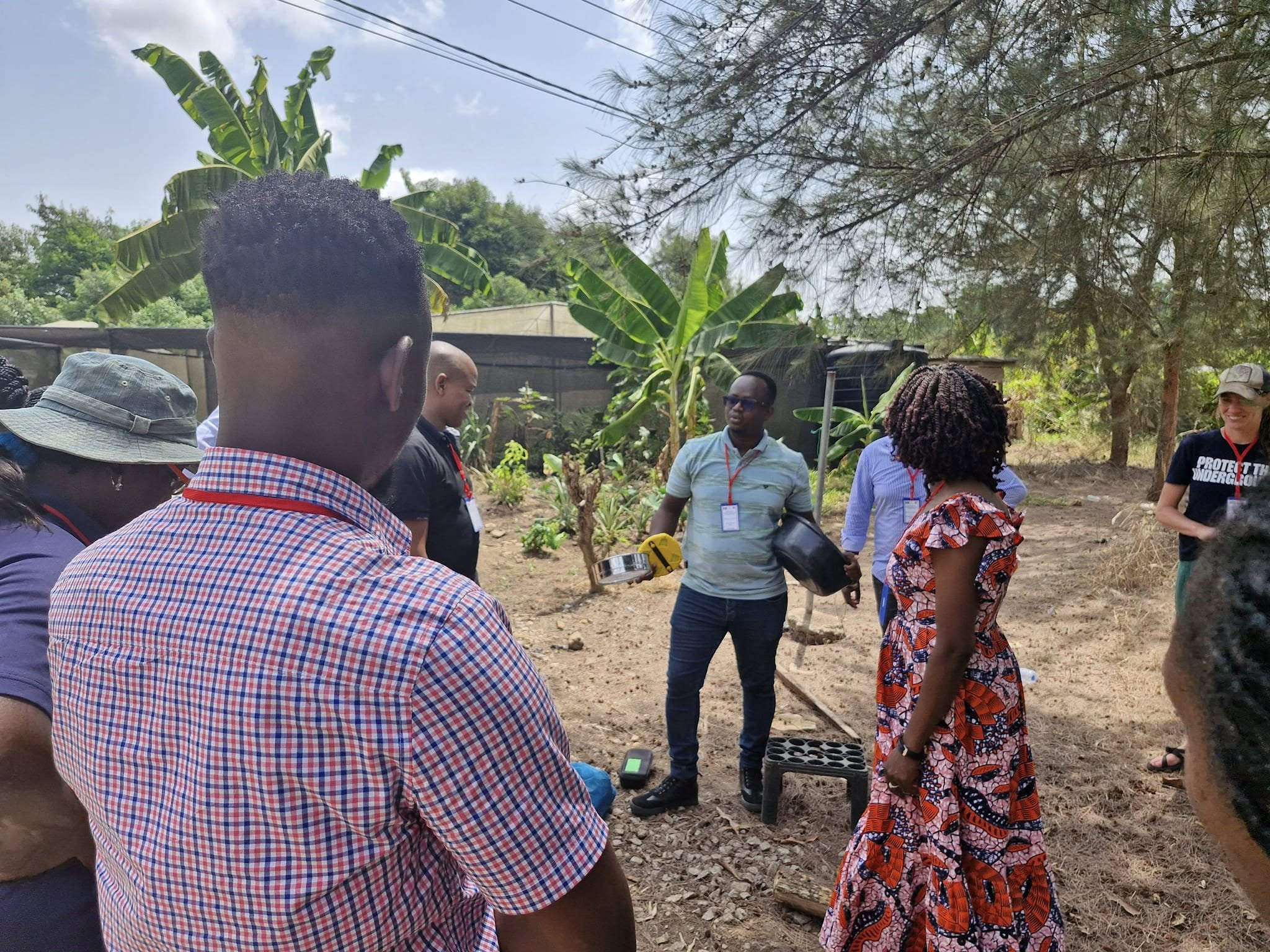
Photo: Dr Jacob Ulzen leading field training on soil collection for mycorrhizal fungal identification. Participants during the Africa Mycorrhizal Mapping & Metagenomics Workshop, co-developed by JR Biotek Foundation and SPUN and hosted at the CSIR-Crops Research Institute, Ghana, 2024.
Expanding access to emerging technologies
Another recurring theme from our community is the importance of access to new scientific technologies. Over the years, JR Biotek programmes have introduced scientists to areas ranging from plant molecular biology and bioinformatics to genomics, metagenomics, soil biodiversity and portable sequencing.
After exposure to Oxford Nanopore sequencing, Abdulbasid Bashir of Umaru Musa Yar’Adua University, Nigeria, reflected:
“Portable sequencing demonstrated how genomics can move from central laboratories into the field, making advanced biotechnology more accessible in resource-limited settings.”
For Saïdou Zongo of Burkina Faso:
“This learning opportunity provided useful information about Nanopore sequencing that will support my future metagenomics research.”
And Oluwapelumi Adesola of the Nigerian Research and Education Network captured the larger purpose:
“The lectures were engaging and definitely stir you to go back to the drawing board on how we can improve agriculture in Africa.”
Access to technology matters. But access alone is not the goal. What matters is what African scientists can do with it, the questions they can investigate, the students they can train and the locally relevant problems they can address.
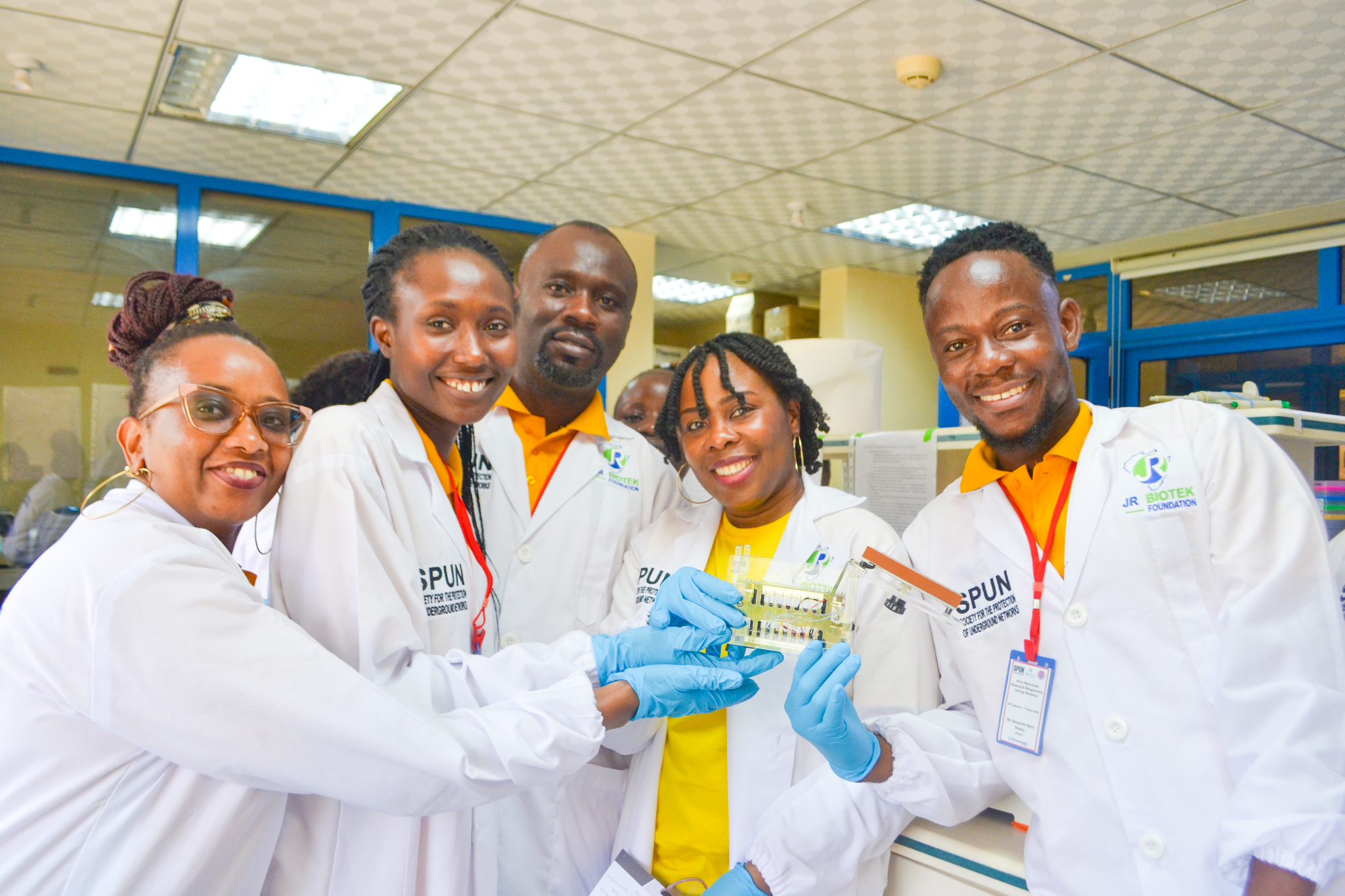
Photo: Dr Carol Ibe and participants of the Africa Mycorrhizal Mapping & Metagenomics Workshop, co-developed by JR Biotek Foundation and SPUN and hosted at the CSIR-Crops Research Institute, Ghana, 2024.
Thinking beyond the laboratory
Over time, JR Biotek Foundation’s work has increasingly encouraged scientists to consider how research connects with innovation and wider societal challenges.
Beakal Tadesse Girma describes that shift:
“JR Biotek encouraged me to move beyond the technical confines of my profession and adopt a holistic approach that integrates research and its broader applications.”
He also reflects:
“JR Biotek fostered my professional growth by facilitating networking opportunities with African researchers, enabling collaborations and the exchange of knowledge. These experiences expanded my perspective beyond the laboratory and helped shape my development as both a scientist and innovator.”
For Fatima Jibrin Abubakar of Ahmadu Bello University, Nigeria, participating in JR Biotek’s innovation activities encouraged a similar expansion of perspective:
“The innovation pitches encouraged me to think beyond my immediate research interests and work effectively with people from different disciplines.”
These experiences have helped shape our own thinking about scientific capacity building.
Africa needs excellent scientists. But it also needs scientists who can collaborate, teach, mentor, innovate, translate knowledge and connect research with the challenges facing society.
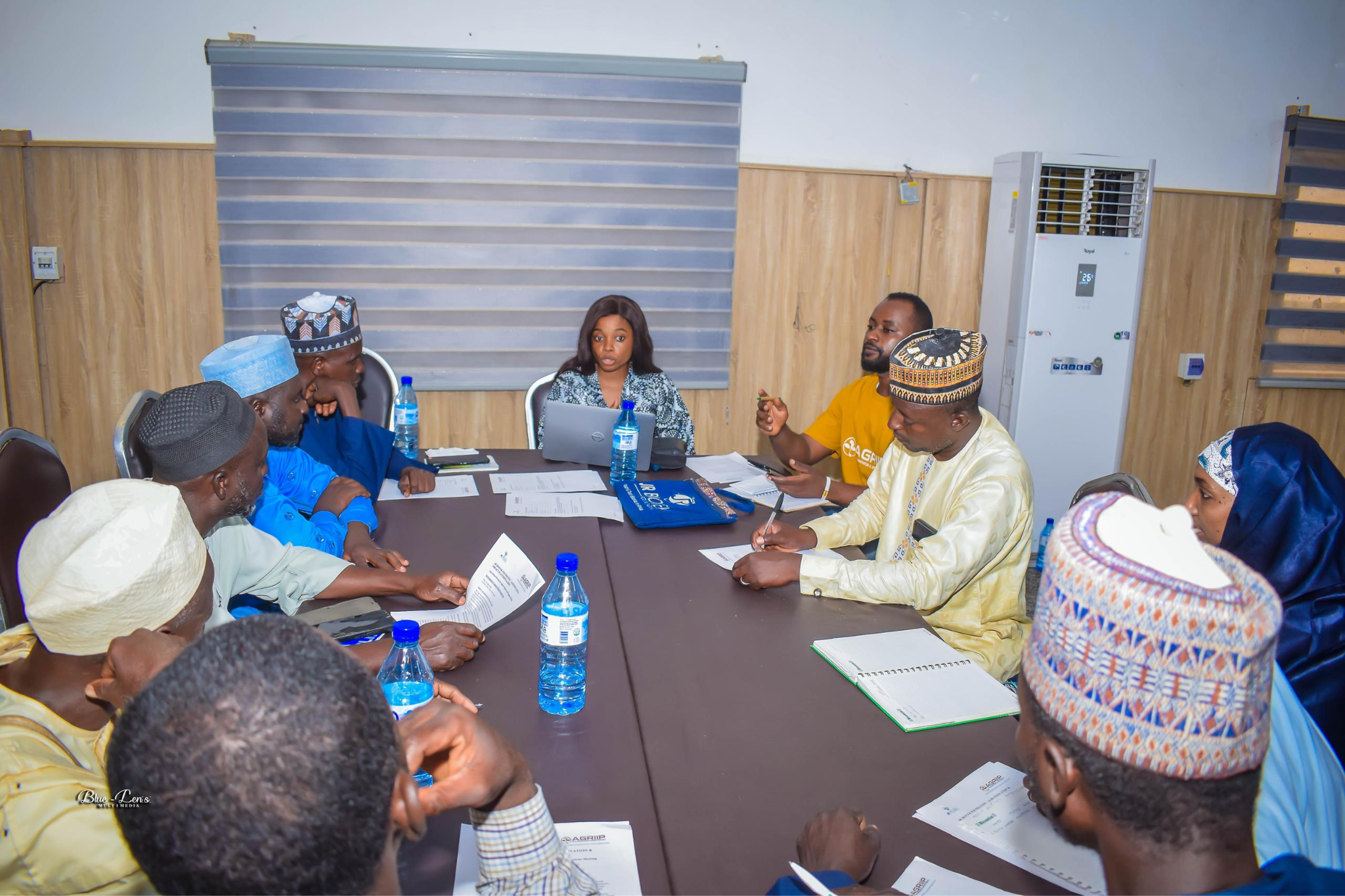
Photo: JR Biotek Foundation–AGRIIP team members engaging with agricultural extension professionals in Nigeria, 2026.
From participants to leaders
There is another form of impact that is particularly meaningful to us. People come back.
Across JR Biotek Foundation, former participants have returned as trainers, mentors, facilitators, collaborators, programme leaders and volunteers.
Dr Flora Asibe participated in JR Biotek’s 2018 Cambridge training programme and later returned as a facilitator during the Foundation’s 2021 programme in Nigeria. She has since continued contributing in volunteer leadership roles within JR Biotek–AGRIIP.
Dr Olaide Ogunsanya, also a former participant, has gone on to support programme planning, coordination and implementation within AGRIIP. Reflecting on the connections created through JR Biotek, she says:
“Through JR Biotek, I had the opportunity to collaborate with a researcher from the University of Cambridge who was interested in African yam bean.”
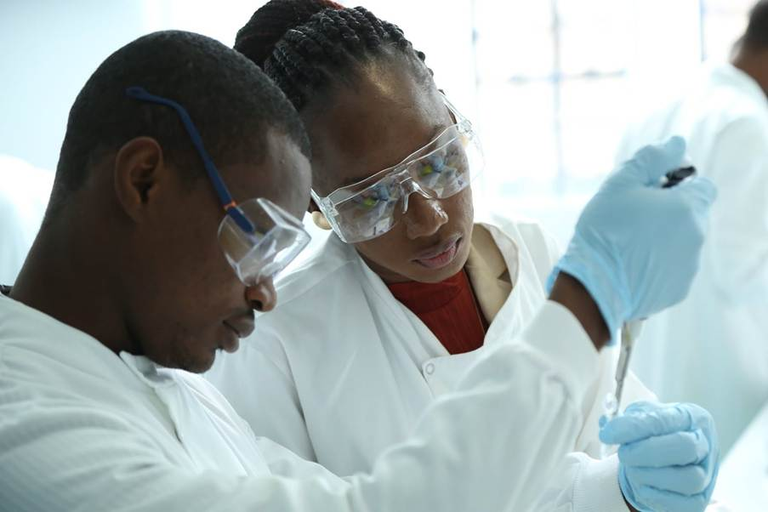
Photo: Dr Olaide Ogunsanya and Dr Kwabena Darkwa undertaking hands-on laboratory training during JR Biotek Foundation’s programme at the University of Cambridge, 2018.
And Igyuve Terngu Moses, now helping lead farmer engagement through JR Biotek–AGRIIP in northern Nigeria, describes what this work means to him:
“The most rewarding part of my journey has been helping bridge the gap between research and practice, ensuring that innovations and indigenous crops reach the people who need them most. Empowering extension agents and farmers with knowledge strengthens livelihoods, improves food security, and builds more resilient agricultural communities.”
This progression, from participant to collaborator, from trainee to trainer, from scientist to community-facing leader, is perhaps one of the strongest indications that capacity is taking root.
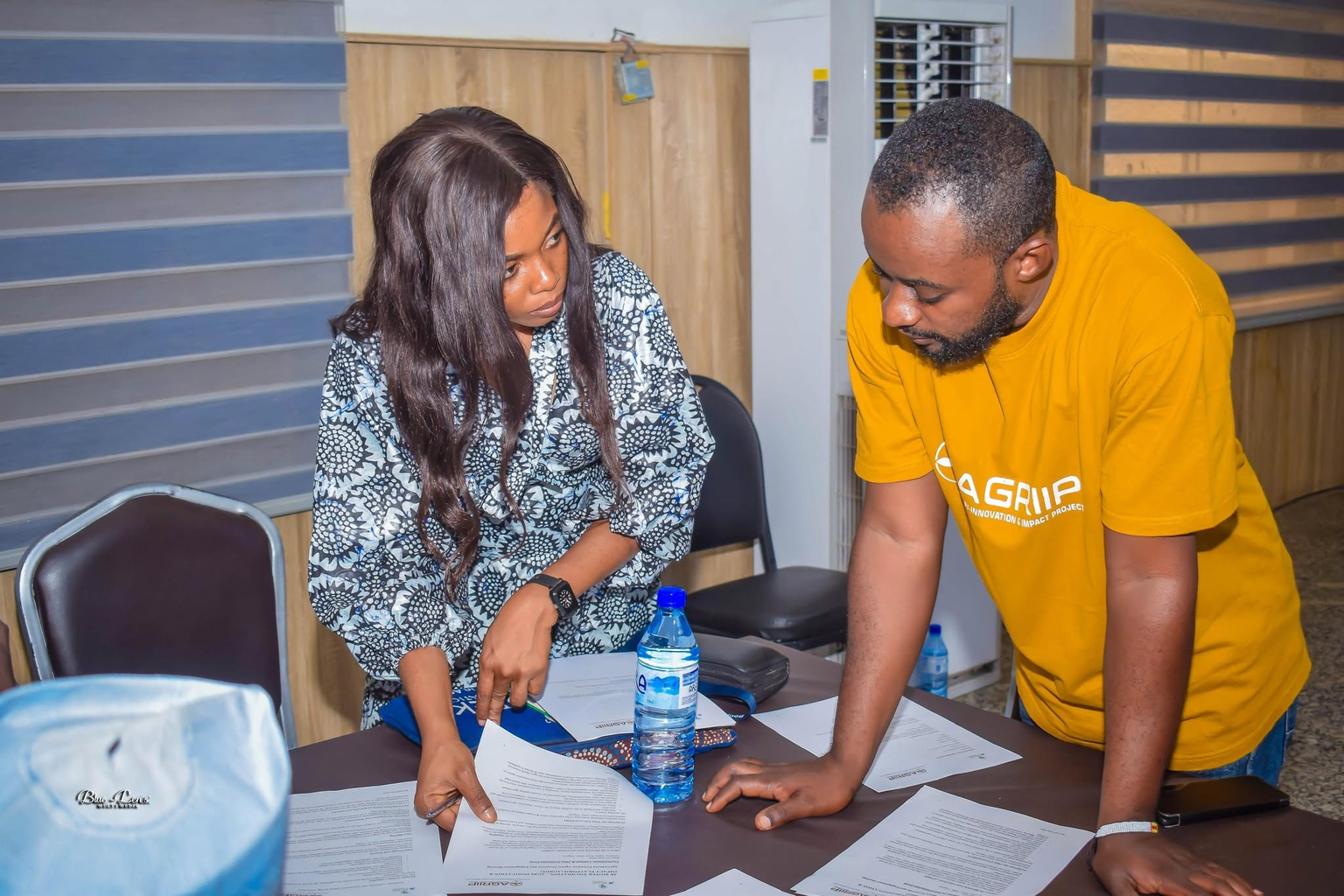
Image: Terngu Moses Igyuve and Dr Flora Asibe, JR Biotek Foundation alumni members and team members, co-leading AGRIIP Farmer Engagement activities in Kano, Nigeria (2026)
A network spanning Africa
Today, JR Biotek Foundation’s programmes have trained scientists, collaborated with institutions or delivered activities involving people across more than 25 African countries, from Benin, Burkina Faso and Cameroon to Ghana, Kenya, Morocco, Nigeria, South Africa, Uganda, Zambia and Zimbabwe.
Across that network, no two journeys are identical. One scientist gained confidence in molecular biology. Another found direction for a PhD. Another secured a laboratory position. Another now teaches biotechnology to undergraduate and postgraduate students. Another found collaborators who became co-authors. Another developed an international research partnership. Another accessed research funding. Another became a mentor. Another developed an enterprise reaching thousands of farmers. And others have returned to help us create opportunities for the scientists coming behind them.
Individually, these are stories of professional growth. Collectively, they are evidence of something much larger taking place across African science.
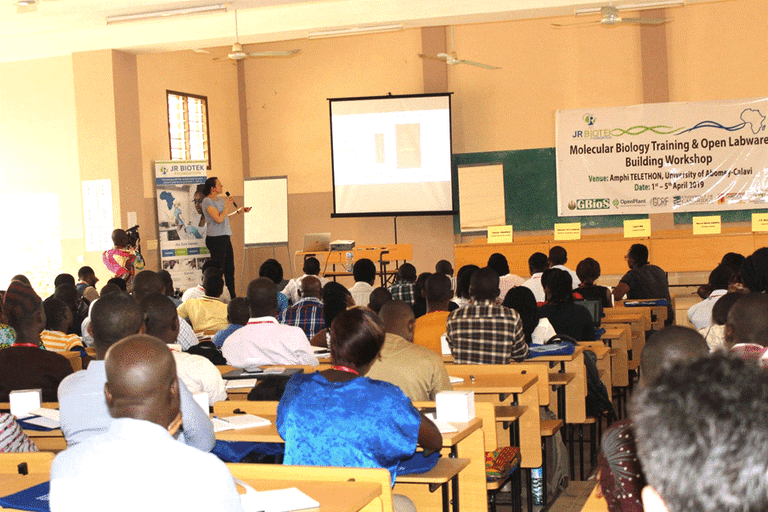
Photo: African scientists participating in JR Biotek Foundation’s plant breeding and biotechnology programme in Benin Republic, 2019.
Impact that keeps moving
Over more than a decade, JR Biotek Foundation has directly trained more than 330 scientists in person, built a network spanning more than 25 African countries and 100 institutions, reached tens of thousands through digital learning, and increasingly connected scientific capacity with farmers and communities.
But those figures are only the beginning of the story.
The deeper impact is found in what happens afterwards: in the students our alumni teach, the laboratories where they work, the research questions they pursue, the collaborations they build, the funding they secure, the younger scientists they mentor, the technologies they introduce and the innovations they take into the world.
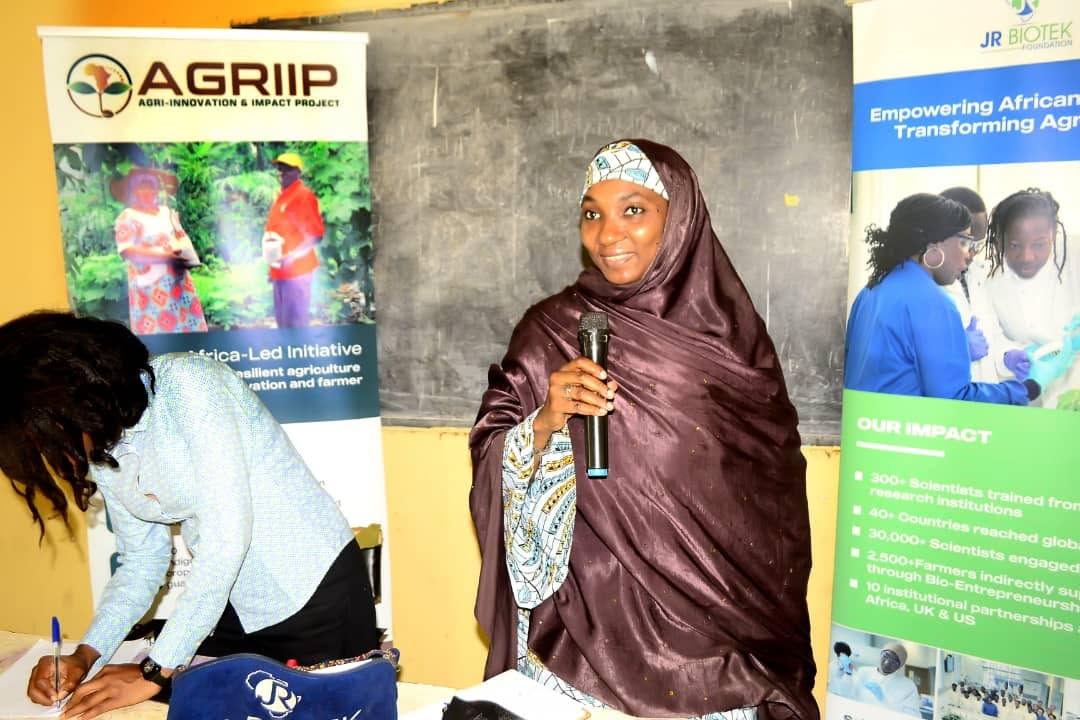
Photo: Dr Binta Sani Ibrahim, JR Biotek Foundation alumna (2017) and JR Biotek Foundation–AGRIIP Nigeria team member, engaging with farmers during the AGRIIP Farmer Sensitisation Workshop in Kano State, Nigeria, 2026.
As JR Biotek Foundation increasingly connects scientists with farmers, indigenous crops, entrepreneurship and communities through AGRIIP – the Agri-Innovation & Impact Platform, we are building on the same principle that has guided us from the beginning.
The opportunity may begin with one scientist. But it does not have to end there.
A scientist can influence a laboratory. A lecturer can influence generations of students. A mentor can change another scientist’s trajectory. A collaboration can strengthen institutions. An innovation can reach farmers and communities. And those people can create opportunities for countless others.
That is the multiplier effect unfolding across our community.
“The true measure of impact is not the number of people we reach directly. It is the number of lives they go on to influence.” – Dr Carol N. Ibe, Founder & Executive Director, JR Biotek Foundation